
Growing old with your chinchilla: How long do the little rodents hop through life?
16.07.2023 · Matthias Leiss
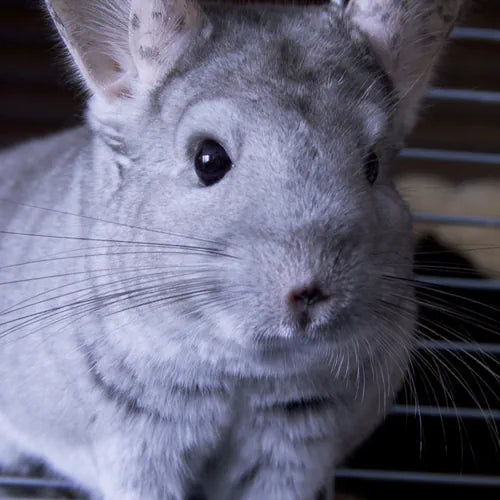

Chinchillas are fascinating creatures – small, fluffy bundles of energy that steal our hearts and fill our lives with joy. But did you know that these lively rodents can, at best, reach the proud age of 15 to even 20 years? Today, we want to tell you more about how you can help your chinchilla age happily and healthily.
Long-eared seniors: How old do chinchillas actually get?
Yes, you read that right. Chinchillas can indeed reach a respectable lifespan. Compared to other small animals, they are quite long-lived. The majestic Chinchilla brevicaudata can even reach the venerable age of over 20 years. However, such biblical ages are rather rare. Our domestic friend, the Chinchilla lanigera, often sees its 15th birthday and even more. One could say they are the seniors among small animals!
Lifespan and its influences: What makes chinchillas so long-lived?
A chinchilla's life expectancy depends heavily on its genetic predisposition and care. A rodent from a reputable breeder with good genetics has the best chance of reaching its maximum age. But housing and feeding also play a big role. Important factors include a spacious cage, a healthy and balanced diet, and regular veterinary check-ups.
As the years pass: Careful care for senior chinchillas
Even with our little friends, age leaves its mark. They become quieter, sleep more, and their activity decreases. You should keep a close eye on your senior rodent and ensure a particularly calm environment for them. They appreciate a helping hand with grooming and a quiet spot for their naps. And don't forget to consult a vet immediately if you suspect any health problems.
When farewell approaches: How to deal with loss
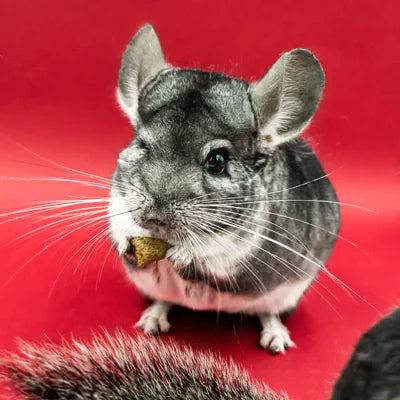
Saying goodbye: the hardest phase of chinchilla ownership
It's an unavoidable truth that one day we will have to say goodbye to our beloved pets. It's an emotional moment when our chinchilla stops eating, becomes lethargic, and suffers from age-related ailments. But don't forget that sometimes it's best to relieve our fluffy friend of their suffering. And when that sad day comes, you should take time to grieve. Because every loss deserves its own time and space.
If you had multiple chinchillas and lost one of them, it's important to also consider the needs of the remaining partner. Chinchillas are social animals and thrive in a community. They should never be kept alone. Therefore, if possible, you should always look for a new companion for your grieving chinchilla. If that's not possible, you might consider giving your little friend to someone who already has other chinchillas. This way, your chinchilla can get the support and companionship it needs to get through this difficult time.
Furthermore, we want to emphasize that every chinchilla is unique and writes its own life story. With proper care and affection, your chinchilla can live a long, healthy, and happy life.
Finally, we want to point out that we have a wonderful selection of chinchilla-merchandise in our shop. Come and take a look and show your love for these adorable little creatures. Whether you're looking for the perfect gift for a chinchilla lover or want to expand your own collection, we're sure to have something suitable for you! Thanks for reading and see you next time!